Log Home Restoration

Protect the logs, not just the color.

Log homes reward good maintenance. They also make it very obvious when one wall has been asked to take more weather than the others.

I clean and preserve the wood according to what is actually happening on the house—not according to a one-size-fits-all schedule.

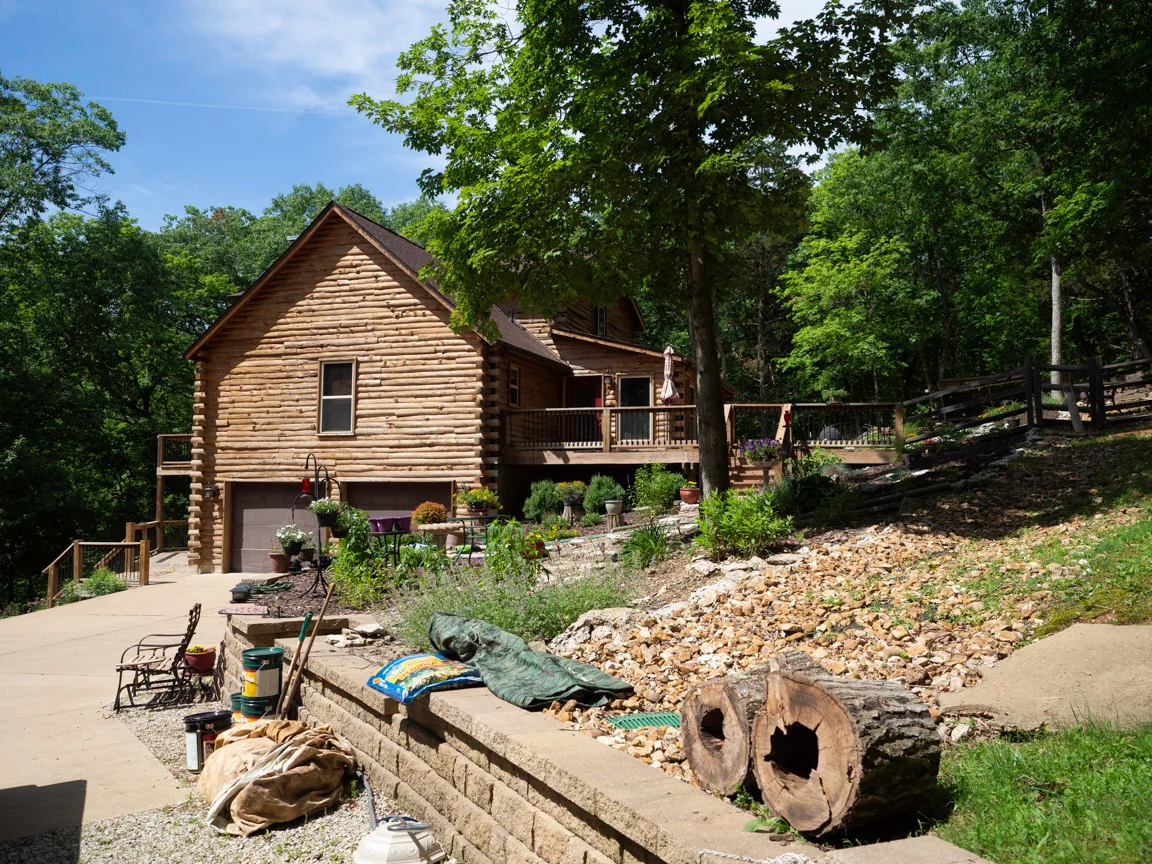
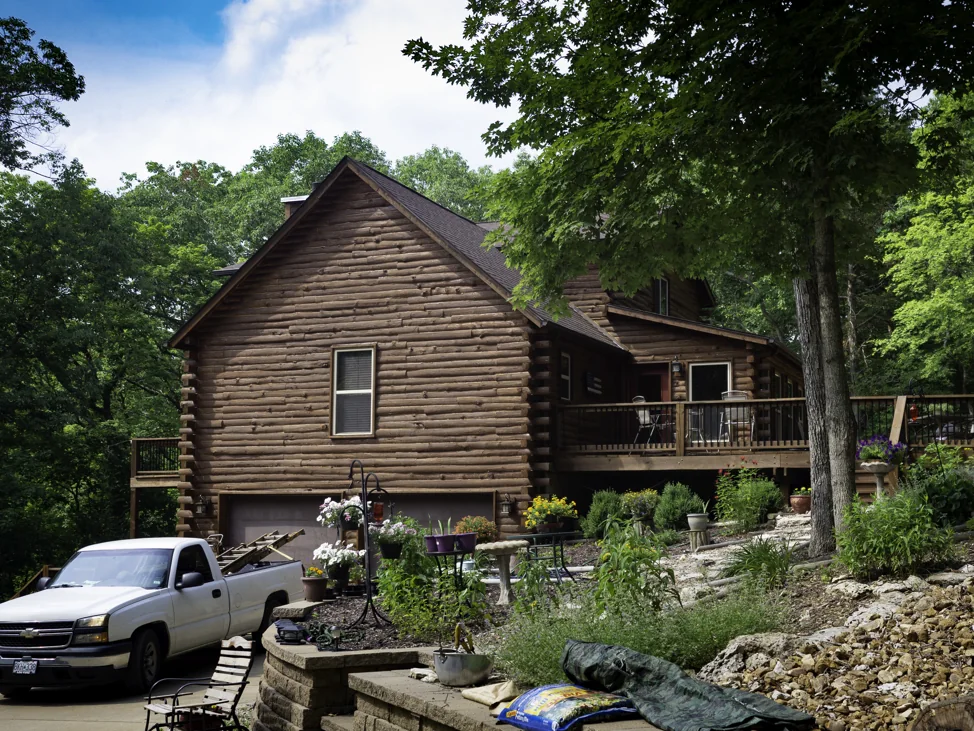
Finished log home after restoration
Finished log home · St. Louis area
The proof is in the wood

Weathered logs can come back a long way.

These are two actual log-home restorations. Same houses, before and after. The goal is not to make old wood pretend it is new—it is to clean it properly, preserve what is there and protect it from further damage.

Project one

A large log home brought back without hiding the character.

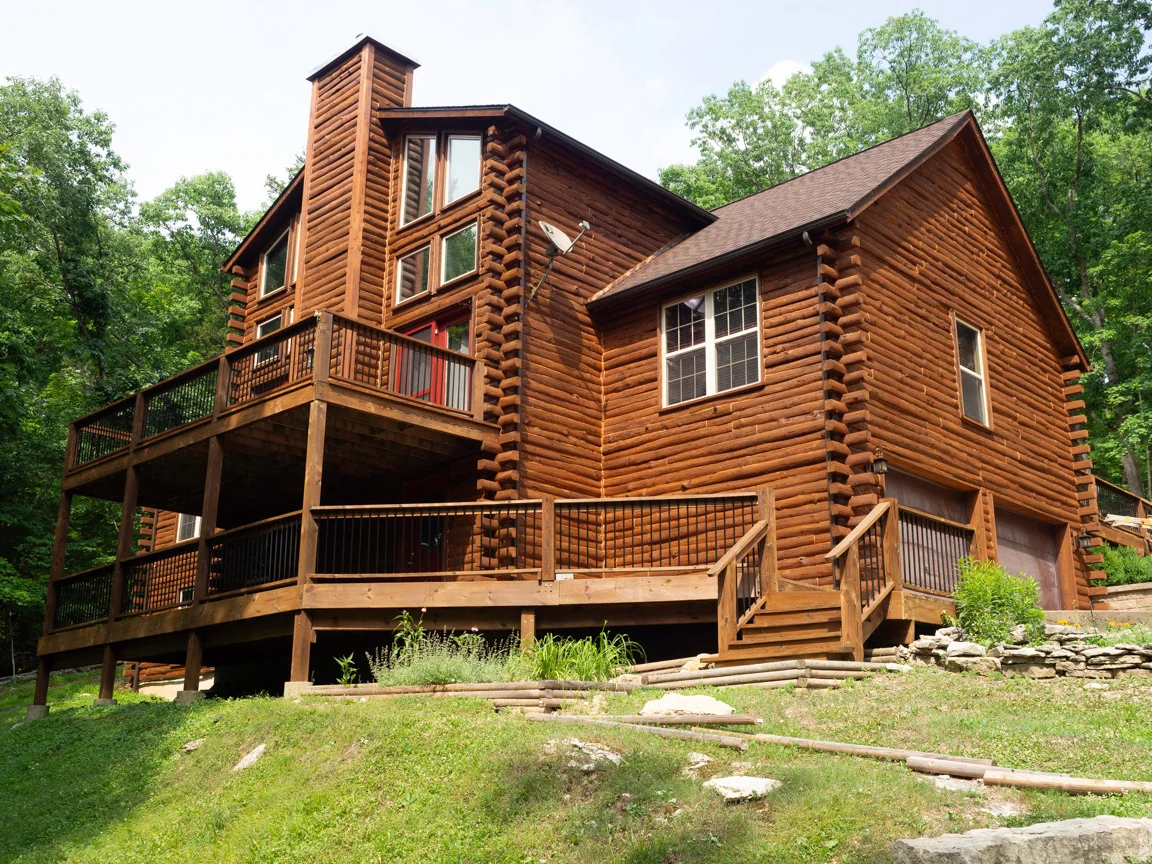
Weathering changes the color first, but the condition of the wood is what matters. Proper preparation and fresh protection bring the house back while allowing the logs to remain logs—not a painted imitation of them.
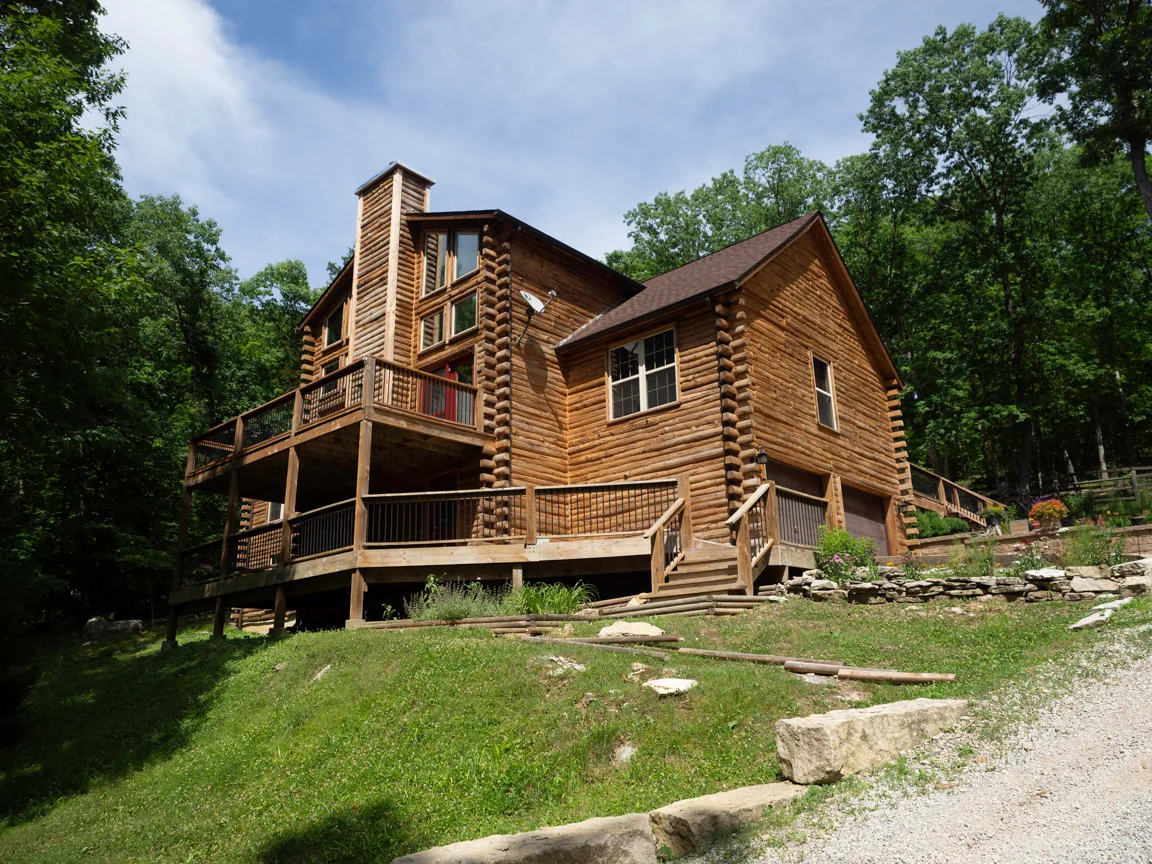
Large log home before restoration
BeforeWeathered finish
Large log home after restoration
AfterCleaned & preserved
Project two

Another house. Another starting point.

Every log home has its own exposure, existing finish and history. That is why I evaluate the wood in front of me instead of forcing every house through exactly the same process.

Log home before restoration
BeforeReady for restoration
Log home after restoration
AfterRestored finish
Exposure matters

Every wall has lived a different life.

A wall that gets hard sun all day may need attention years before the protected sides. Waiting until the whole house looks equally weathered can mean letting the most exposed wood go much farther than it should.

WHY does one wall weather faster? →

Detail photo comingRustic & irregular logs
Washing logs

Sometimes you have to come at them from another angle.

Rustic logs are not flat siding. Curves, recesses and irregular shapes can hide areas from a straight-on rinse, so some homes need to be washed from several angles to clean the surface evenly.

That does not mean more pressure. It means paying attention to the shape of the wood.

WHY do rustic logs need to be washed from different angles? →

Checks & caulking

Inspect it. Repair what matters.

Existing caulking gets checked for splits, bubbles and separation that can let water in. Checks in the logs need judgment too. Some can hold water and should be filled; others are better protected by working preservative into the exposed wood instead of covering a wall with unnecessary caulk lines.

WHY does wood check and crack? →

WHAT should be checked in existing caulking? →

WHY shouldn't every log check be filled? →

Don't forget the ends

The job does not stop at the face of the log.

Exposed log ends need deliberate protection as part of the preservation work. They should never be treated like an afterthought just because most of the house is long grain.

WHY do log ends need extra protection? →

Preserve what you have

I can preserve the wood where it is. I cannot put lost wood back.

Maintenance replaces protection as the weather takes it away. Let the wood go too long and the job gradually stops being maintenance and becomes full absorption again. More importantly, checking, cracking and other damage that has already happened does not disappear when fresh oil goes on.

WHY does losing natural oil damage wood? →

WHY does waiting make the next job more expensive? →

Have a log home that needs attention?

Let's look at what the wood actually needs.

Call or text. No form, no sales pitch—just a conversation about the house.

Call Brett Text Brett